Street art can, in the right context, be a positive and creative expression that enhances public spaces. Murals or commissioned artworks often contribute to local identity, cultural vibrancy, and community pride.
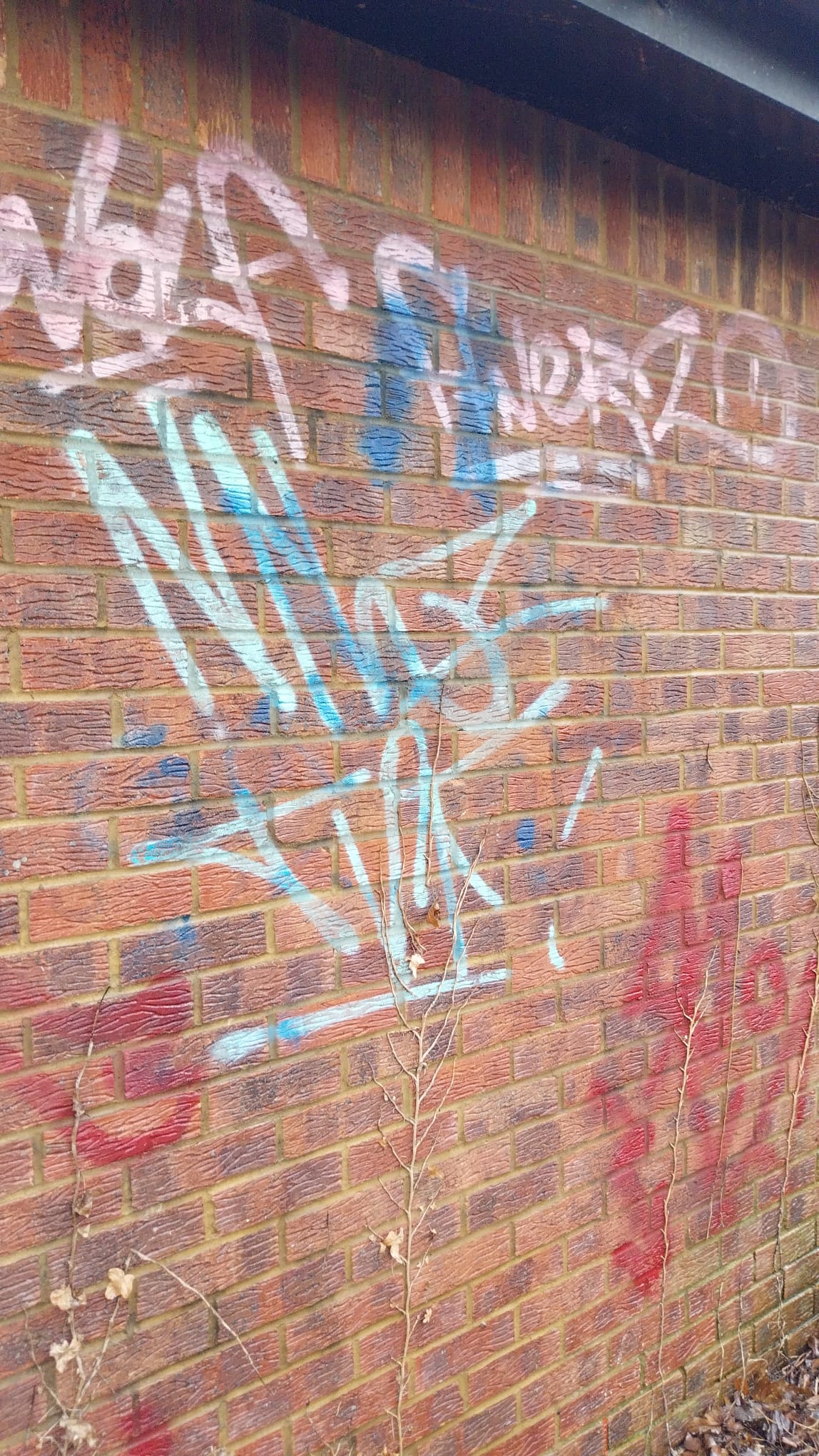
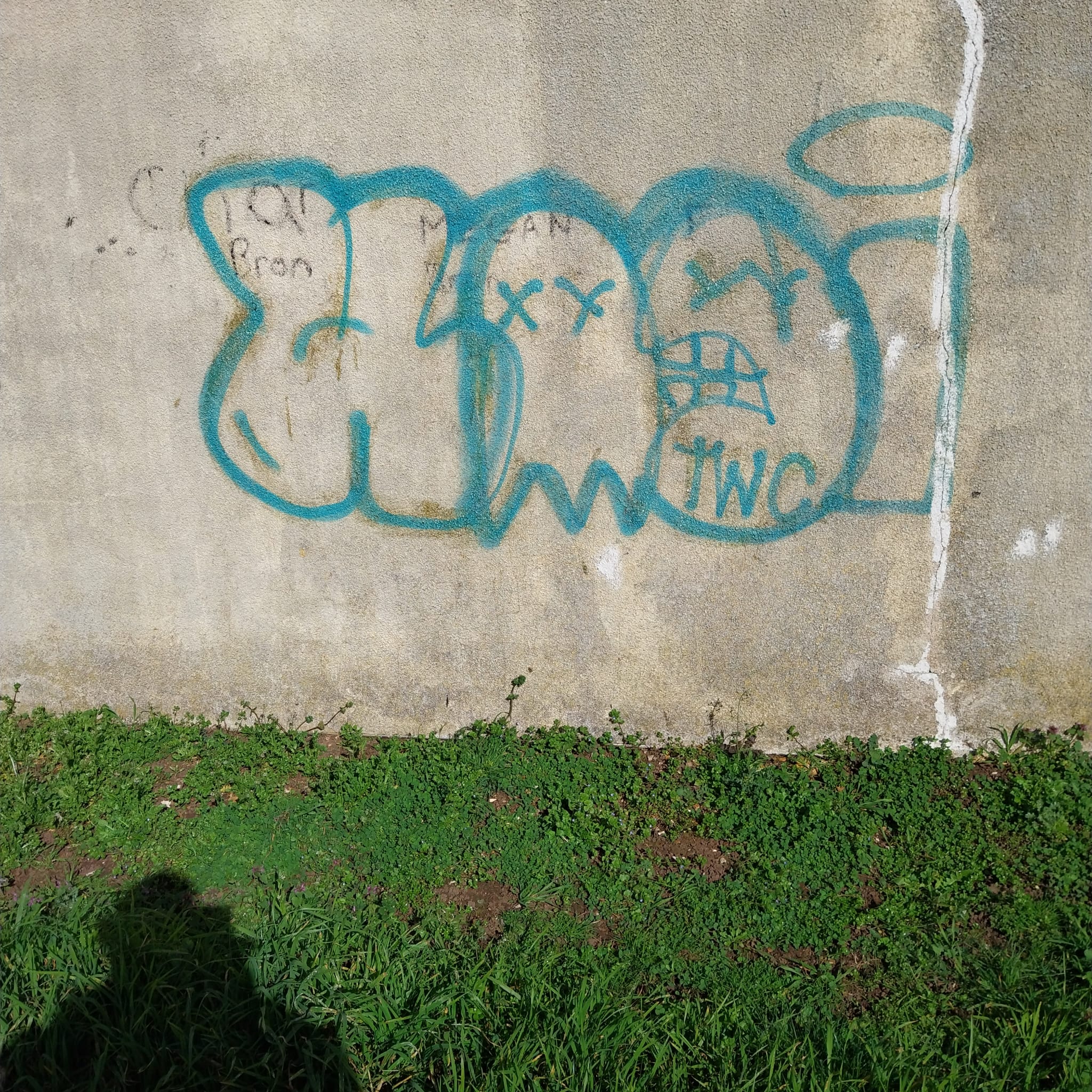
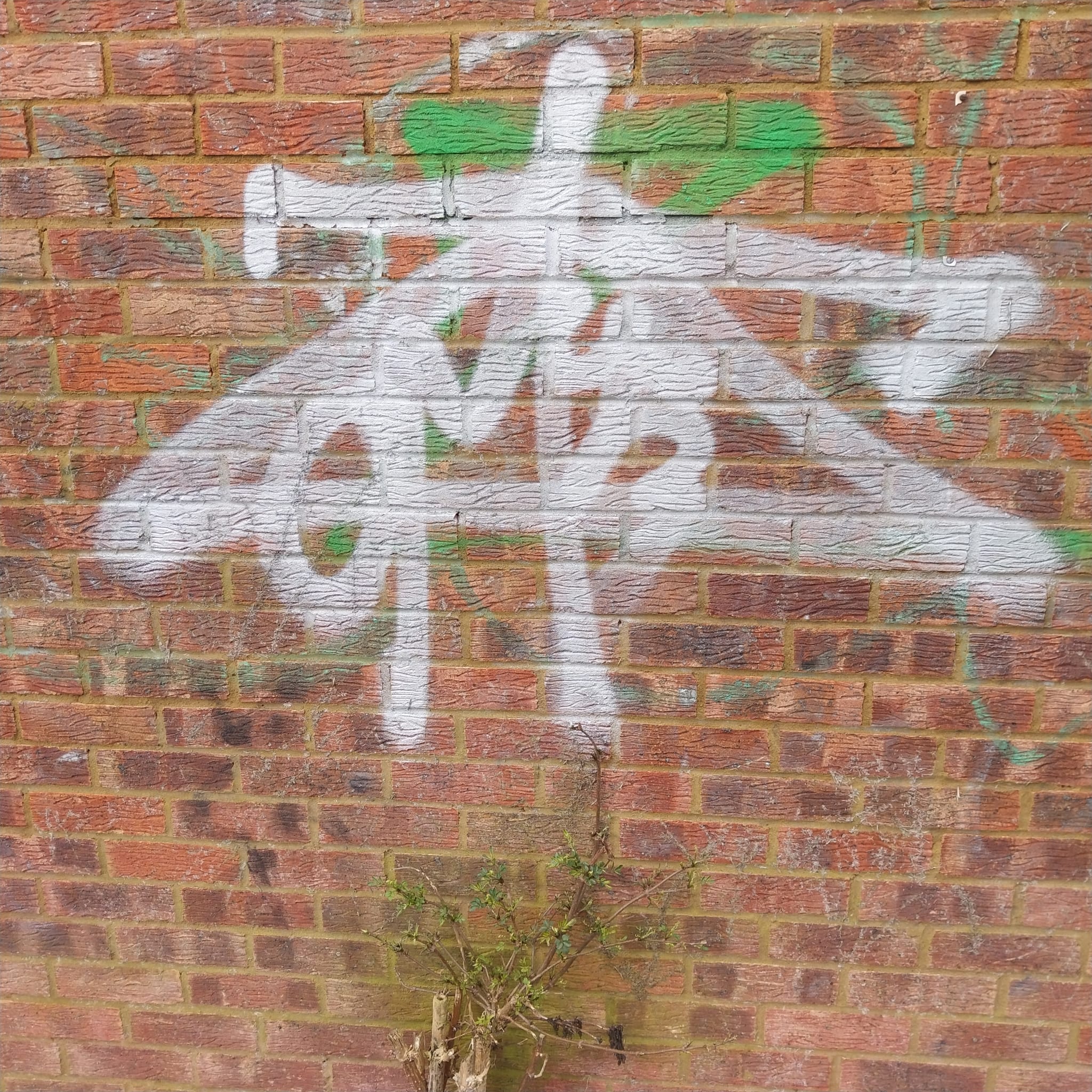
However, it is important to distinguish between street art, which is planned, permitted, or commissioned, and graffiti, which is applied without permission and can include forms such as tagging—the repeated use of stylised initials or symbols used to mark territory. While street art can enrich an area, graffiti and tagging can have the opposite effect, contributing to perceptions of neglect or exclusion.
The Council, working in partnership with the Biggleswade Community Safety Group (BCSG), has a responsibility to do what it reasonably can—within legal, technological, and resource limitations—to ensure that the town centre remains clean, well maintained, inclusive, and welcoming for everyone who lives in, works in, or visits the area.
Graffiti Removal Conditions
1. Council owned property
Graffiti may be removed from any wall, structure, or surface that is owned or managed by the Town Council.
2. Privately owned property
Graffiti may only be removed from buildings or structures owned by third parties after the Town Council or the BCSG have received written consent from the freeholder authorising the removal and within technological and resourcing limitations.
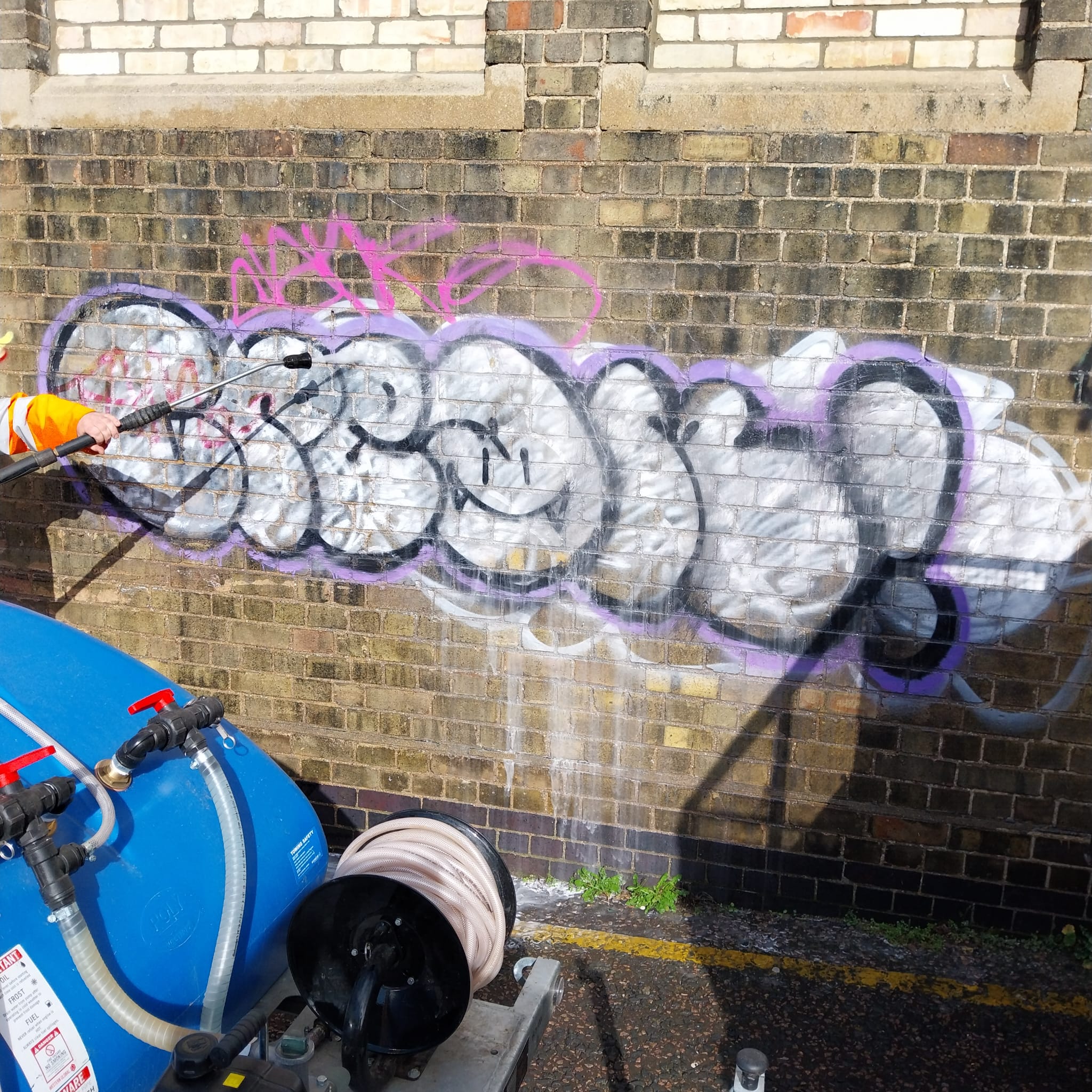
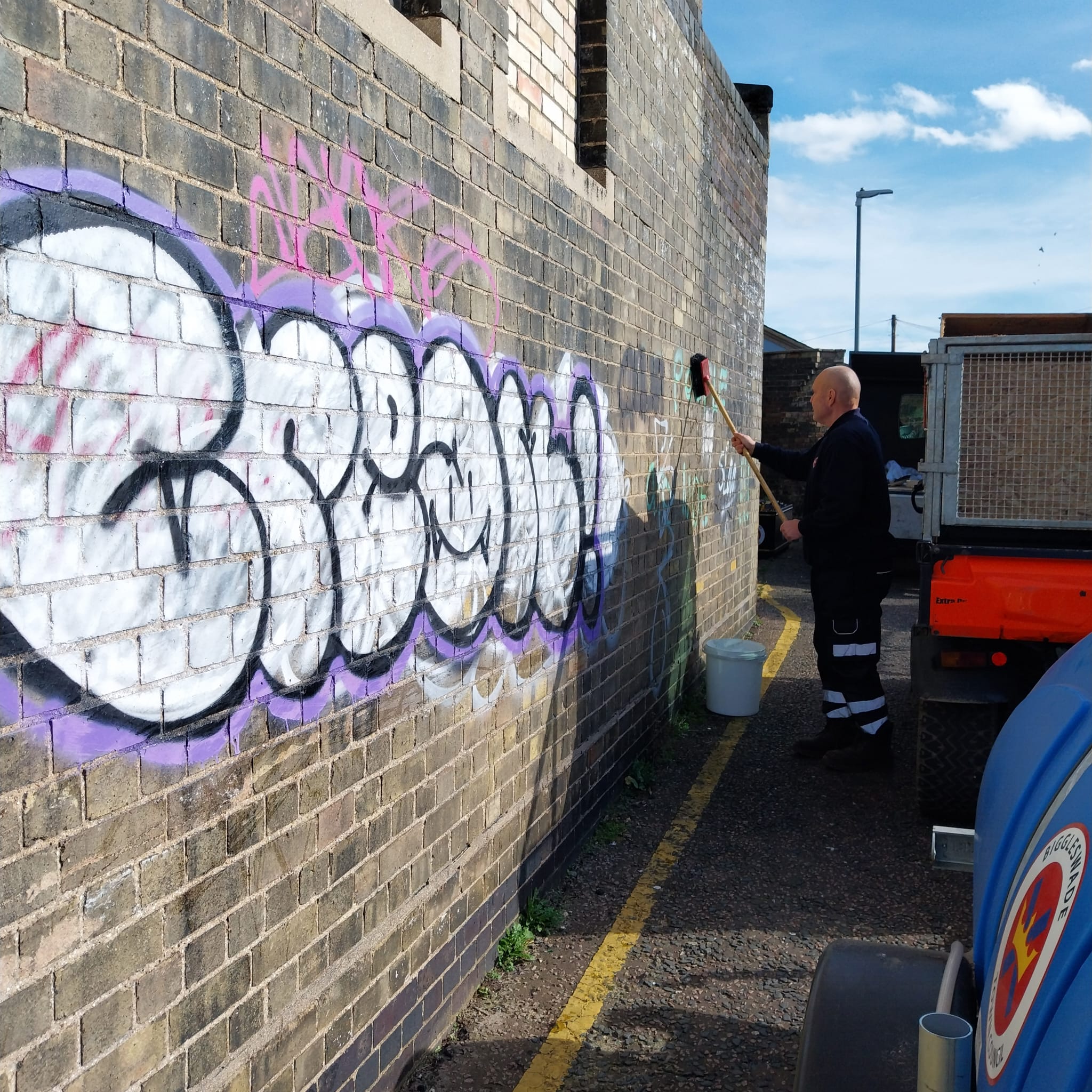
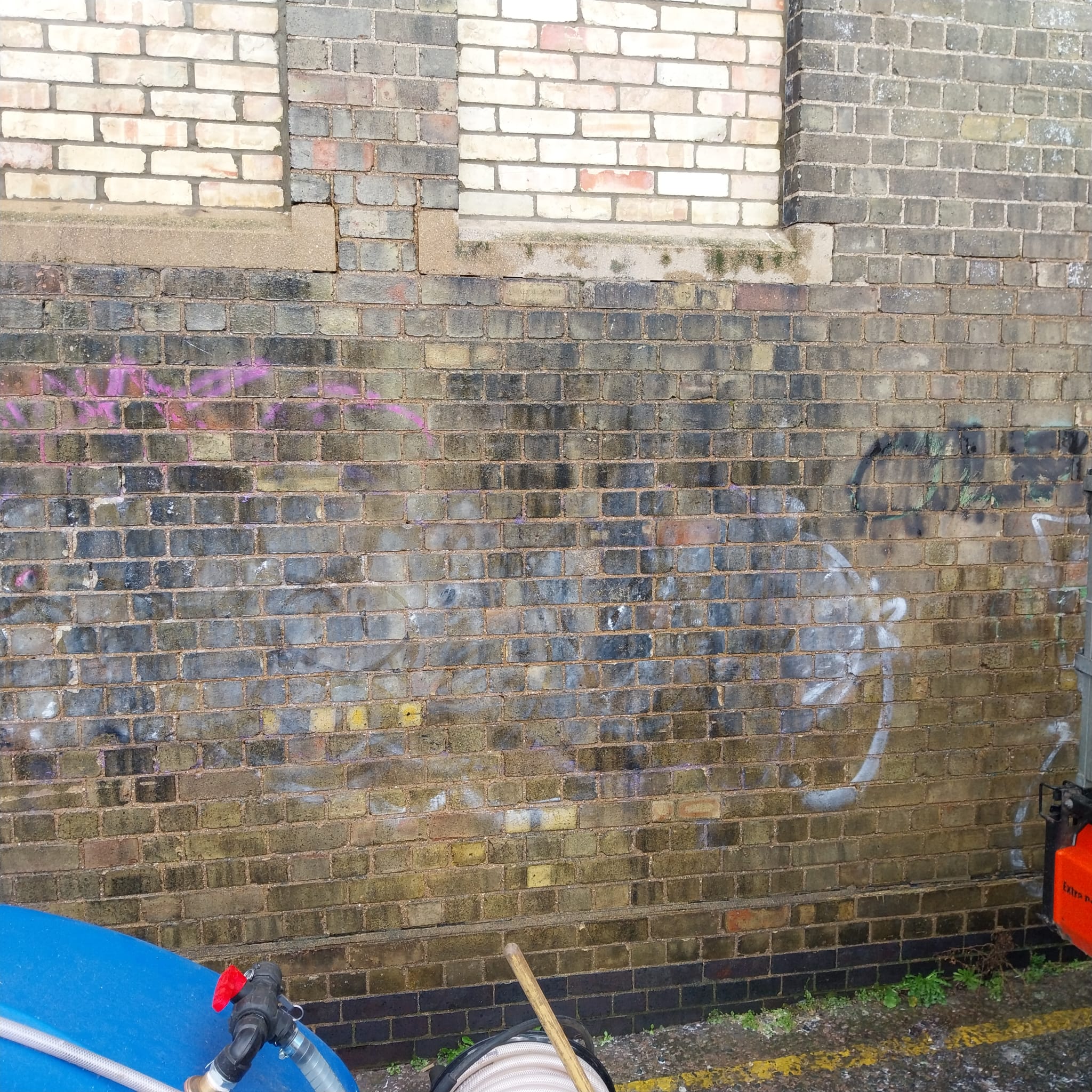
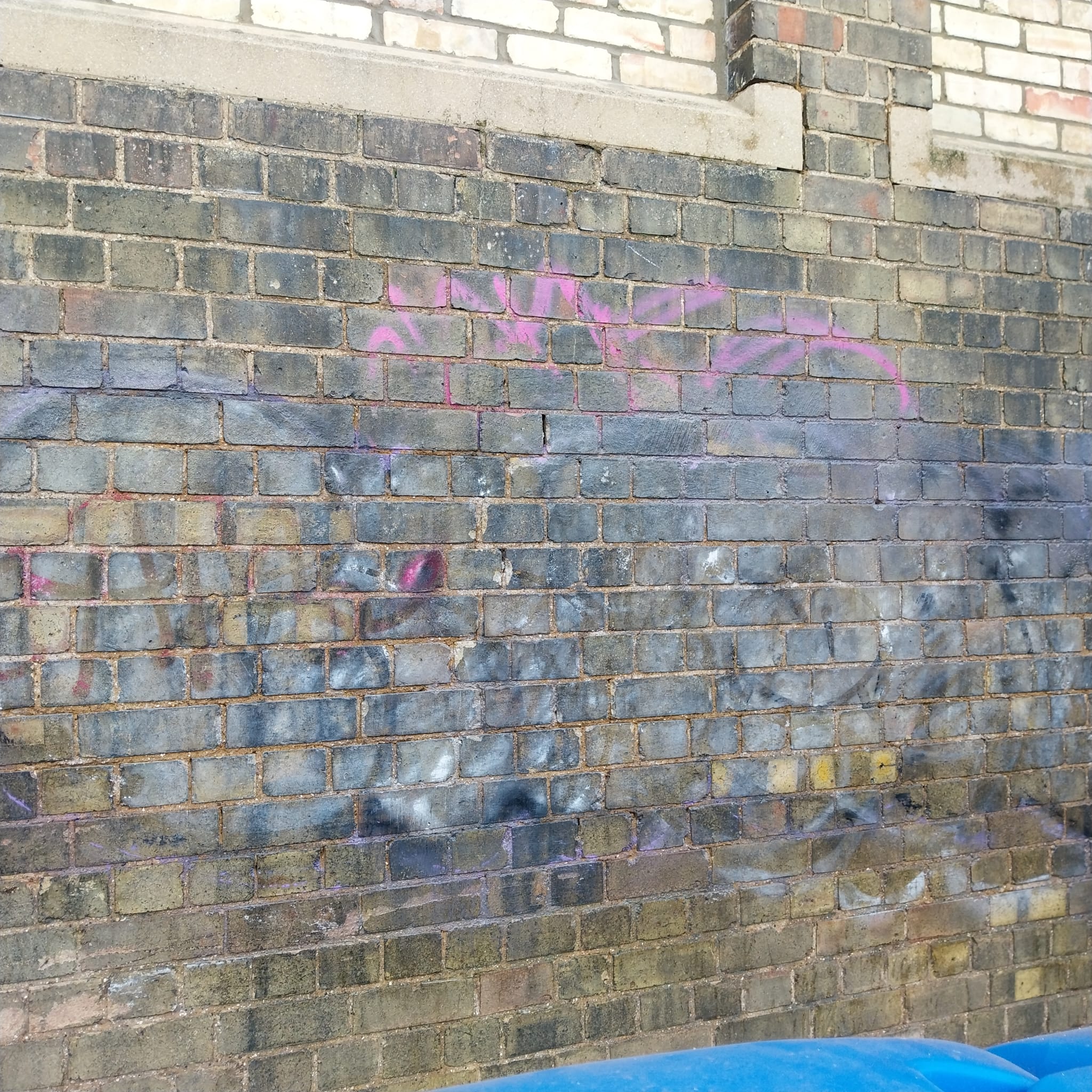
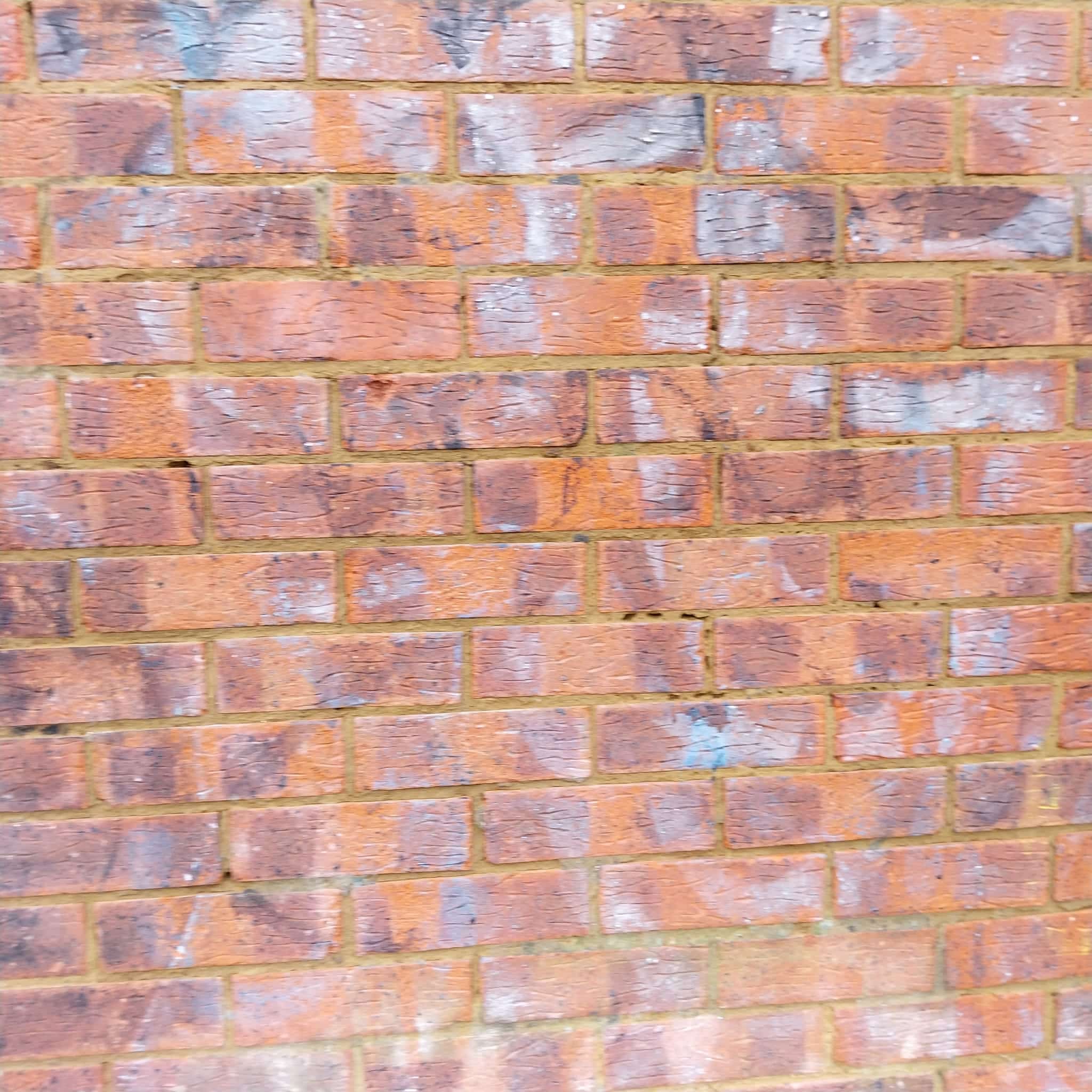
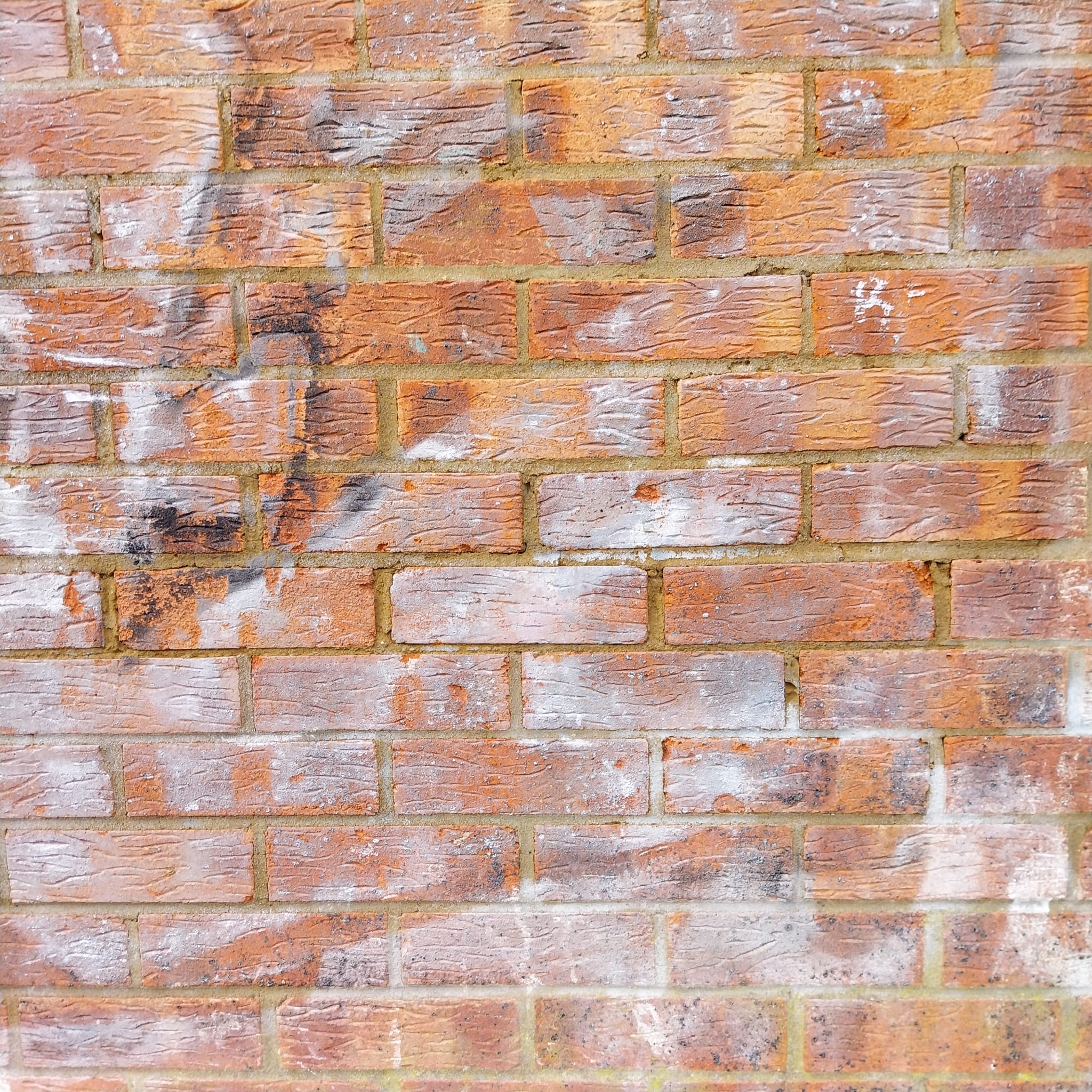
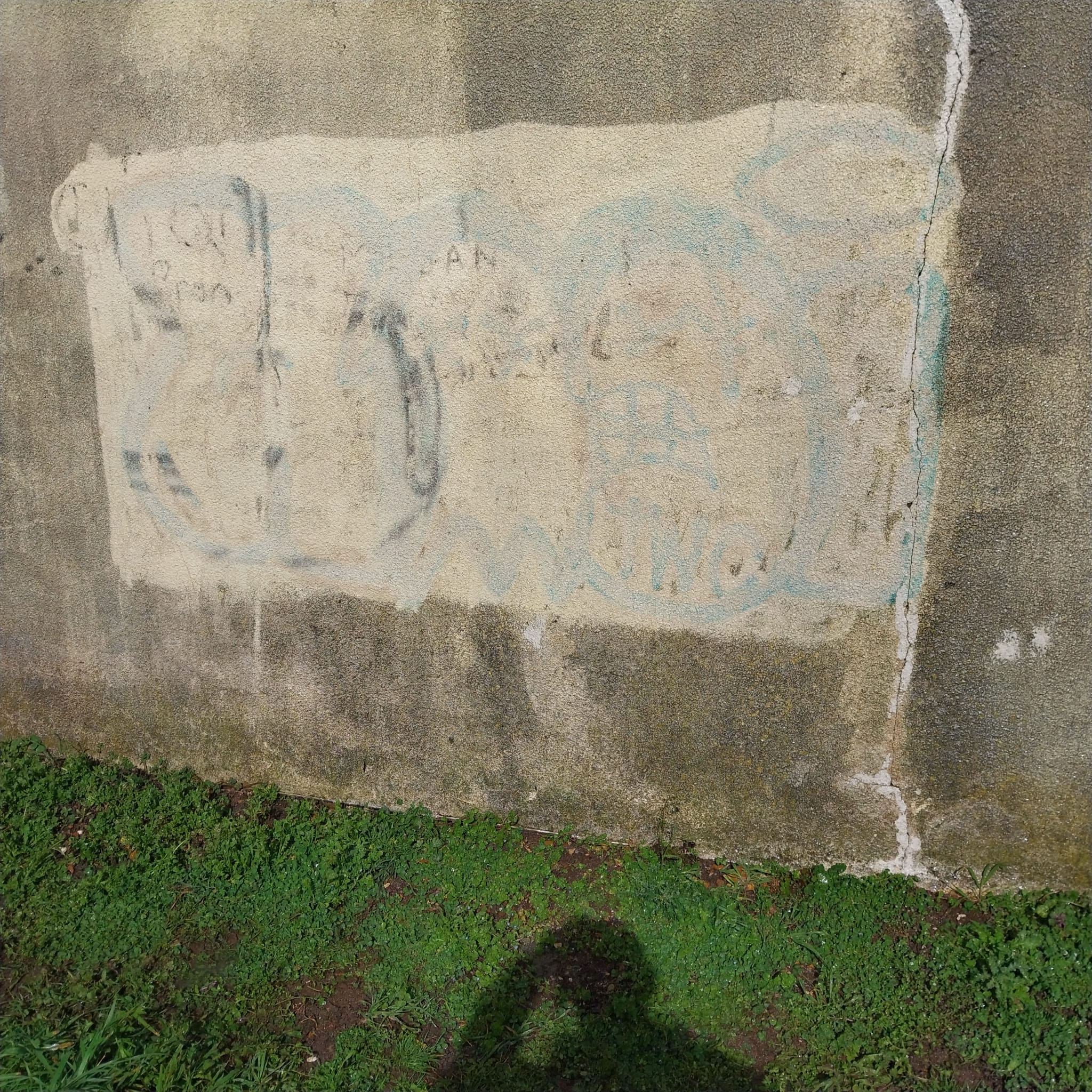
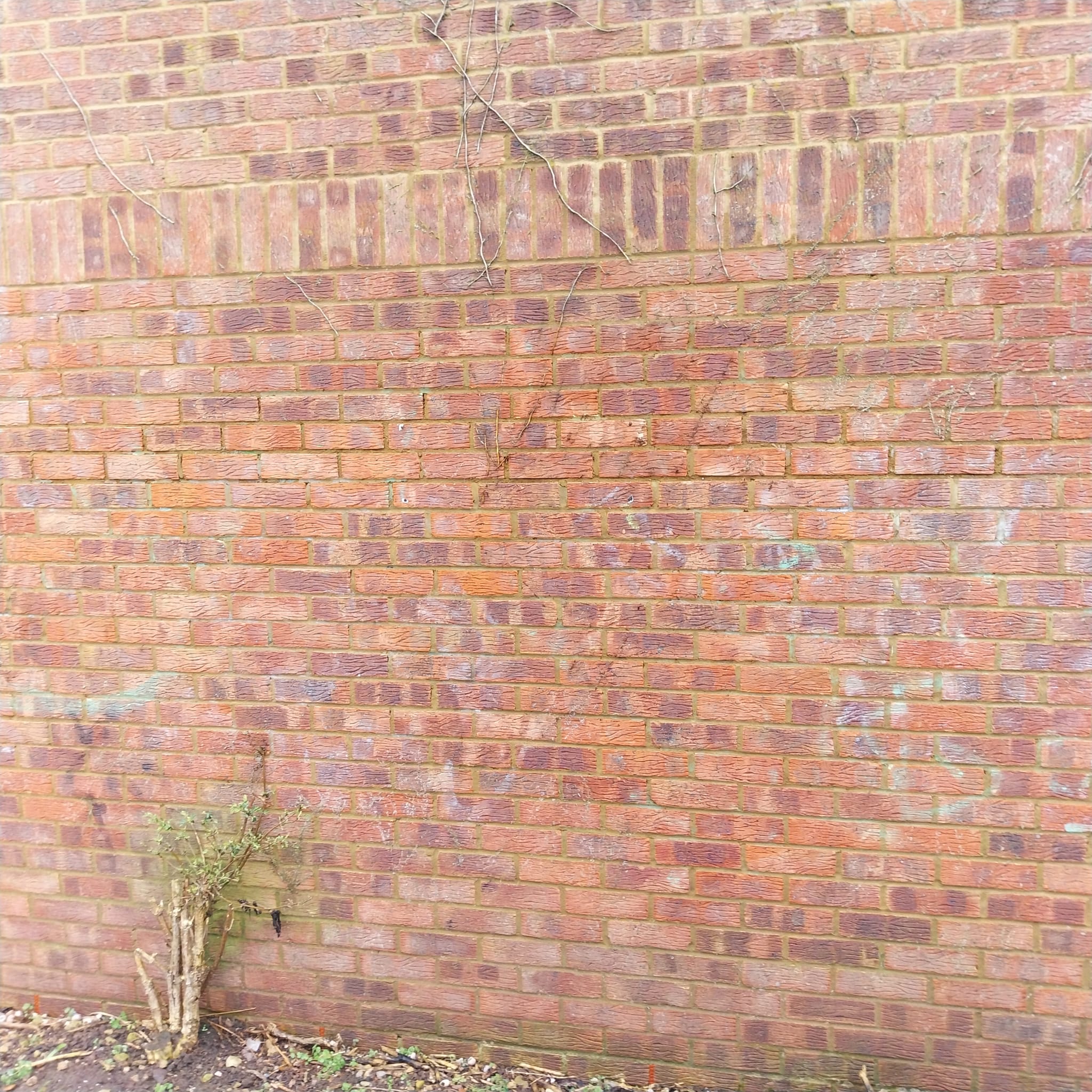
Some examples of graffiti removal are shown below, with mixed results.